 oversea@hichain.com.cn
 +8617328576881





Information
Guidelines for Selecting and Designing Photovoltaic Solar Cables (Part 1)
Release time: 2024-12-25
The importance of selecting photovoltaic solar energy cables
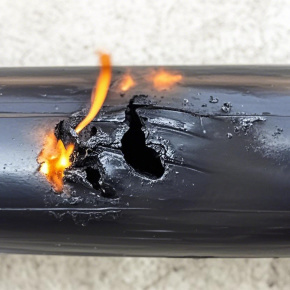
In the construction and operation of photovoltaic power plants, cable selection is like the "blood vessels" of the power station, which is crucial. Properly selected cables can ensure stable power transmission, reduce line losses, and improve power generation efficiency; conversely, improper selection may lead to overheating, short circuits, and other failures, which not only affect the normal operation of the power station but may also pose safety hazards and economic losses.
Key factors in selection
1.Voltage level matching
- Photovoltaic power plants have various voltage levels, commonly including 1kVlow voltage systems and10kVmedium to high voltage systems. The voltage level of the cable must match the rated voltage of the photovoltaic system to prevent insulation breakdown and ensure safe power transmission.
- For example, in low-voltage distributed photovoltaic power plants, cables with a rated voltage of 0.6/1kVare generally used; for the medium to high voltage transmission part of large centralized photovoltaic power plants, cables must be selected based on actual voltage, such as10kV,35kVor even higher voltage levels.
2.Load characteristics consideration
- The output power of photovoltaic panels varies under different lighting conditions, and inverters also have their rated power and efficiency characteristics. This requires us to consider the current carrying capacity and load variation when selecting cables. Generally, based on the installed capacity of the power station, the series and parallel configuration of components, and inverter parameters, we calculate the maximum working current in the line and then select an appropriate cross-sectional area cable according to the cable's current-carrying capacity table.
- For example, for a 1MWphotovoltaic power station with a relatively large DC side working current, it may be necessary to select a cable with a cross-sectional area of10 - 16mm²; while for the AC side with relatively smaller output current, cables with6 - 10mm² can be selected. However, specific calculations and adjustments should be made based on actual working conditions and cable laying methods to ensure that the cable does not overheat or get damaged due to overload during long-term operation.
3.Environmental adaptability
Photovoltaic power plants are located in complex and diverse environments that may face high temperatures, humidity, acid-base corrosion, etc. In high-temperature environments, such as photovoltaic power plants in desert areas, the insulation material of the cable should have good high-temperature resistance. Cross-linked polyethylene insulated cables are generally used, which can withstand long-term working temperatures up to 90°C or even higher; in humid areas like coastal or rainforest regions, cables need excellent moisture resistance. The outer sheath is usually made of waterproof and water-resistant materials like PVC sheathing; in environments with chemical corrosive substances like near chemical plants, corrosion-resistant cables should be selected, such as fluoroplastic insulated cables that have strong resistance to acids and bases. This can effectively prevent cable corrosion damage and extend cable service life, ensuring long-term stable operation of the power station.
4.Selection standards compliance
In the process of selecting cables for photovoltaic power plants, it is essential to strictly adhere to national and industry-related standards such as "Power Engineering Cable Design Specification" (GB 50217). These standards provide detailed regulations on cable materials, structures, performance, and safety indicators, offering scientific basis and normative requirements for cable selection to ensure safe and reliable operation in power stations. At the same time, it is necessary to choose cable products that have passed safety testing and certification by authoritative institutions, such asUL(safety standard certification by Underwriters Laboratories),TUV(certification by Technischer Überwachungsverein) etc. These certifications are strong endorsements of cable quality and safety that can effectively reduce various risks caused by cable quality issues and ensure stable operation and investment returns of photovoltaic power plants.

Contact Information

Email: oversea@hichain.com.cn

whatsapp: +852 51665706

Copyright ©2023 Hichain Electricity (Zhaoqing) Co.,Ltd. |