 oversea@hichain.com.cn
 +8617328576881





Information
Guide to Selecting Energy Storage Power Harnesses
Release time: 2024-11-26
In modern energy management systems, energy storage power harnesses serve as key components connecting energy storage devices with power sources or loads, and their importance is self-evident. They not only relate to the performance and efficiency of the energy storage system but also directly affect the safety and stability of the entire energy system. Therefore, when purchasing energy storage power harnesses, it is essential to consider multiple factors comprehensively to ensure that the selected products meet actual needs and possess excellent performance.
1. Understand the basic composition of energy storage power harnesses
Energy storage power harnesses typically consist of wires, terminals, protective components, and insulating materials. Wires are responsible for transmitting electrical energy, terminals are used to connect energy storage devices with power sources or loads, protective components prevent issues such as overcurrent and overvoltage, while insulating materials ensure the electrical safety and physical protection of the entire harness.
2. Clarify application scenarios and requirements
Before purchasing energy storage power harnesses, it is crucial to clarify their application scenarios and specific requirements. Different energy storage systems have varying demands for the voltage level, current carrying capacity, operating temperature, and protection level of the harness. For example, the energy recovery system of electric vehicles may require harnesses that can withstand high voltage, high current, and possess good flexibility, while the peak shaving and frequency regulation in power systems may place more emphasis on the durability and stability of the harness.

3. Pay attention to the materials and performance of the harness
- Conductor materials:High-quality energy storage power harnesses typically use high-quality copper conductors due to their good conductivity and low resistance, which can effectively reduce energy loss. Avoid choosing inferior copper conductors or aluminum conductors to prevent poor conductivity from affecting the overall performance of the energy storage system.
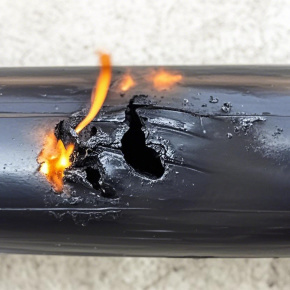
- Insulating materials:The performance of insulating materials directly relates to the safety and lifespan of the harness. High-quality insulating materials should have good heat resistance, cold resistance, and corrosion resistance, and be environmentally friendly and non-toxic. When selecting, attention can be paid to indicators such as the flame retardant rating and aging resistance.
- Protective components:Protective components such as fuses and circuit breakers are crucial for preventing circuit faults and protecting energy storage devices. When purchasing, ensure that the specifications of the protective components match the requirements of the energy storage system and that they are of reliable quality.

4. Examine the structural design and craftsmanship of the harness
High-quality energy storage power harnesses have a reasonable structural design, with neatly arranged internal wires, matching wire diameters and connectors, and no redundancy or shortages. At the same time, the manufacturing process of the harness is also critical, as the crimping quality of connectors and the injection molding process of insulating materials can affect the performance and lifespan of the harness.
5. Choose well-known brands and reputable suppliers
The choice of brand and supplier is key to ensuring the quality of energy storage power harnesses. Well-known brands typically have more advanced technology, stricter quality control systems, and better after-sales service. Choosing reputable suppliers not only reduces purchasing risks but also provides better technical support and guarantees during subsequent use.
6. Conduct necessary performance testing and verification
After purchasing energy storage power harnesses, it is recommended to conduct necessary performance testing and verification, such as performance tests under high temperature, low temperature, humidity, and vibration conditions, to ensure that the harness can operate stably in actual applications and meet the needs of the energy storage system.
Selecting suitable energy storage power harnesses requires comprehensive consideration of application scenarios, material performance, structural design, brand reputation, and performance testing. Through scientific selection and rigorous testing, the quality and performance of energy storage power harnesses can be ensured, providing strong support for the safe and efficient operation of energy storage systems.

Contact Information

Email: oversea@hichain.com.cn

whatsapp: +852 51665706

Copyright ©2023 Hichain Electricity (Zhaoqing) Co.,Ltd. |