 oversea@hichain.com.cn
 +8617328576881





Information
Technical Analysis of Key Parameters for New Energy Wire and Cable Systems
Release time: 2024-09-04
In the era of renewable energy, wire and cable systems play a pivotal role in efficiently transmitting electricity generated by wind turbines and solar panels to the grid. Given the unique operating environments and power transmission requirements of these two energy sources, it is imperative to comprehend the diverse parameters that must be considered when designing and maintaining wire and cable systems for wind and solar applications. This article delves into the specifics, compares various requirements, and offers expert maintenance strategies to ensure optimal performance and longevity.
Key Parameters for Wind Energy Wire and Cable
Flexibility and Durability: Wind turbines are typically installed in remote, windy locations, subjecting interconnecting cables to constant bending and exposure to extreme weather conditions. High-flexibility cables with robust insulation and jacket materials are crucial for enduring these stresses and maintaining integrity over time.
Abrasion Resistance and UV Protection: Cables running along towers and through nacelles must withstand abrasive wear from moving parts and the damaging effects of UV radiation. Special coatings and materials are employed to enhance these properties.
Low Voltage Drop: Efficient power transmission necessitates low-resistance cables to minimize voltage drops over long distances. This is particularly critical for offshore wind farms, where cable lengths can be substantial.
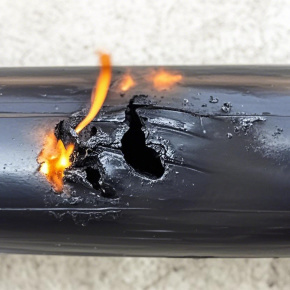
Fire Resistance: Given the potential fire hazards associated with electrical equipment, cables must comply with stringent fire-resistance standards to limit flame spread in emergency situations.
Key Parameters for Solar Energy Wire and Cable
Temperature Resistance: Solar panels generate heat during operation, and cables connecting them must withstand high temperatures without degrading. Additionally, cables buried underground or exposed to direct sunlight must be UV-resistant.
Water and Moisture Resistance: Solar installations are frequently exposed outdoors, making water and moisture resistance crucial for preventing short circuits and ensuring long-term reliability.
Corrosion Resistance: In coastal or industrial areas, cables must possess corrosion resistance to withstand exposure to seawater, chemicals, or pollutants.
Lightweight and Flexible: Solar arrays are often mounted on rooftops or tracking systems, necessitating lightweight cables for ease of installation and maintenance while maintaining flexibility for movement.
Comparative Analysis
While both wind and solar applications demand durable, high-performance wire and cable systems, the specific challenges they face necessitate tailored solutions. Wind energy systems prioritize flexibility, abrasion resistance, and low voltage drop, while solar systems emphasize lightweight and flexibility alongside temperature, moisture, and corrosion resistance.
Professional Maintenance Recommendations
Regular Inspections: Conduct periodic visual inspections for signs of wear, damage, or corrosion. Pay particular attention to cable connections, bends, and exposed sections.
Temperature Monitoring: Use thermal imaging or temperature sensors to monitor cable temperatures, ensuring they remain within safe operating ranges.
Moisture Control: For underground cables, ensure proper drainage and sealing to prevent moisture ingress. For exposed cables, consider using protective coatings or enclosures.
Record Keeping: Maintain detailed records of inspections, repairs, and replacements to inform future maintenance plans and identify potential failure modes.
Training and Expertise: Ensure maintenance personnel are trained on the specific requirements and best practices for wind and solar wire and cable systems.
As the renewable energy sector continues to expand, the importance of reliable, efficient wire and cable systems cannot be overstated. By understanding the unique parameters and challenges of wind and solar applications and implementing professional maintenance strategies, we can ensure optimal performance and longevity for these critical components, thereby advancing the green energy transition.

Contact Information

Email: oversea@hichain.com.cn

whatsapp: +852 51665706

Copyright ©2023 Hichain Electricity (Zhaoqing) Co.,Ltd. |