 oversea@hichain.com.cn
 +8617328576881





Information
What is a temperature-sensitive cable
Release time: 2024-08-22
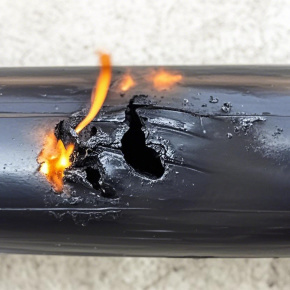
Temperature-sensitive cables are special cables that are designed to monitor and detect changes in temperature and are mainly used in fire alarm systems. Temperature-sensitive cables monitor the ambient temperature in real time and signal an alarm when the temperature reaches a preset threshold. Such cables are usually installed in areas where there is a risk of fire, such as warehouses, factories, tunnels, data centers, power distribution rooms, etc.
Principle of operation
The operating principle of temperature-sensitive cables is based on the property of thermistors or thermal elements to change their resistance value with temperature. When the ambient temperature rises to a predetermined trigger temperature, the resistance of the sensor element (e.g. thermistor) in the temperature-sensitive cable changes, resulting in a change in the current or voltage in the circuit. This change is detected by the controller or monitoring unit at the cable terminal and triggers an alarm signal.
Main types
There are two main types of temperature-sensitive cables: fixed-temperature temperature-sensitive cables and differential-temperature temperature-sensitive cables.
1. Constant temperature type temperature sensing cable:
- This type of cable will trigger an alarm when the temperature reaches a certain fixed threshold. The threshold value can be pre-set according to different application requirements.
- Fixed temperature sensing cables are usually used in places where a quick response is required, such as flammable liquid storage areas.
2. Differential temperature sensing cable:
- This type of cable is not based on absolute temperature, but on the rate of temperature change to trigger an alarm.
- An alarm signal is triggered when the temperature change per unit of time exceeds a preset threshold.
- Differential temperature sensing cables are suitable for early fire detection and can respond faster to sudden increases in temperature.
Features and Applications
1. Long distance monitoring: the temperature-sensitive cable can cover a long distance and is suitable for large areas.
2. Flexible installation: can be laid along walls, ceilings, floors or directly on the ground, suitable for a variety of complex environments.
3. High reliability: able to provide accurate temperature information due to direct contact with the monitoring area.
4. Early warning: Abnormal temperatures can be detected in time, helping to take action in the early stages of a fire.
Technical parameters
1. Temperature response range: usually ranging from -40°C to 150°C.
2. Alarm Temperature: According to different models and application scenarios, the alarm temperature can range from 54°C to 105°C.
3. Response time: from a few seconds to tens of seconds, depending on the cable design and application environment.
4. Maximum monitoring length: some models of temperature sensing cables can reach monitoring lengths of several thousand meters.
Installation and Maintenance
1. Installation: The installation of temperature sensing cables needs to be carried out in accordance with the instruction manual provided by the manufacturer to ensure that the cables are correctly laid and connected to the alarm system.
2. Maintenance: Periodically check the integrity and functionality of the cable to ensure it is in good working order. This may include cleaning the surface of the cable, checking the connectors and termination devices etc.
Standards and Specifications
1. The design and application of temperature sensing cables needs to follow the relevant international and national standards, such as UL 864, NFPA 72, EN 54, etc.
2. These standards specify the cable performance indicators, test methods and installation requirements.
In conclusion, temperature-sensitive cable is a very effective fire warning tool, which monitors the temperature changes to early warning of potential fire risks, for the evacuation of people and fire fighting to buy valuable time. With the development of technology, the performance of temperature-sensitive cable is also improving, and the application areas are also expanding.

Contact Information

Email: oversea@hichain.com.cn

whatsapp: +852 51665706

Copyright ©2023 Hichain Electricity (Zhaoqing) Co.,Ltd. |