 oversea@hichain.com.cn
 +8617328576881





Information
A Brief Introduction to Low-Voltage Electrical Wire and Cable Knowledge
Release time: 2024-08-14
Electrical cables, as vital mediums for power transmission, are categorized into low-voltage, medium-voltage, high-voltage, and ultra-high-voltage cables based on their operating voltages. Among them, low-voltage cables play an indispensable role in construction and electrical engineering projects, as well as in our daily lives. Let Changhe Electric take you on a journey to uncover the mysteries of low-voltage cables.
How to Identify Low-Voltage Cables?
Low-voltage cables operate within a voltage range of 0.6 to 1kV. In contrast, cables rated at 3-35kV are classified as "medium-voltage cables," 35-110kV as "high-voltage cables," and 110-750kV as "ultra-high-voltage cables."
Characteristics of Low-Voltage Cables
- Voltage Level: Specifically designed for transmitting electricity below 1kV, meeting daily power consumption needs.
- Structural Composition: Compared to the complex structure of high-voltage cables, low-voltage cables feature a more straightforward design, consisting primarily of a conductor, insulation layer, and sheath. The conductor is typically made of copper or aluminum with a moderate cross-sectional area; the insulation layer serves to isolate and prevent current leakage; and the sheath protects the cable from external environmental hazards.
- Production Process: Low-voltage cables can be manufactured using common materials like PVC (Polyvinyl Chloride) and XLPE (Cross-Linked Polyethylene), whereas medium and high-voltage cables necessitate the use of cross-linked cable manufacturing techniques.
Application Scenarios of Low-Voltage Cables
Low-voltage cables find extensive applications in various settings, including but not limited to:
- Urban underground power grids and power lines emanating from power stations
- Internal power supply for industrial and mining enterprises, as well as underwater transmission lines across rivers and seas
- Petrochemical industries, mining, and rural irrigation grids
- Shipbuilding, railway systems, and subway installations
- Vertical or horizontal installations in high-rise buildings
- Lines for waterworks, electricity, telecommunications, signaling, radio, and television sectors
Maintenance of Low-Voltage Cables
To ensure the smooth operation of low-voltage cables, regular maintenance is crucial, encompassing:
- Load Monitoring: Monitoring cable loads to prevent voltage from exceeding rated values, thereby extending cable lifespan.
- Temperature Checks: As cable failures often coincide with abnormal temperature changes, temperature monitoring is essential for timely detection and resolution of potential issues.
- Corrosion Detection: For buried cables, detecting corrosion from acids and alkalis in the soil ensures cable integrity.
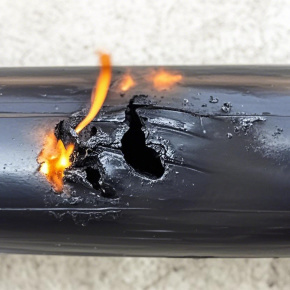
- Monitoring Other Factors: Including fire prevention, external damage, and animal bites, to safeguard cable security.
As a professional electrical wire and cable manufacturer, Changhe Electric, with its extensive experience in low-voltage cable production, offers customized products and comprehensive solutions to meet the needs of various industries, including elevators, robotics, new energy vehicles, ATMs, and industrial control automation equipment. We ensure stable and safe power transmission for all our clients.

Contact Information

Email: oversea@hichain.com.cn

whatsapp: +852 51665706

Copyright ©2023 Hichain Electricity (Zhaoqing) Co.,Ltd. |