 oversea@hichain.com.cn
 +8617328576881





Information
Comparative Analysis of ES-RVV and EV-RSS Cables
Release time: 2024-07-24
In the modern power system and new energy field, the choice of cables is crucial to ensure the safe and reliable operation of the system. With the rapid development of new energy technologies, the performance requirements for cables are increasing. ES-RVV and EV-RSS, as two different types of cables, each have their unique advantages and applications.
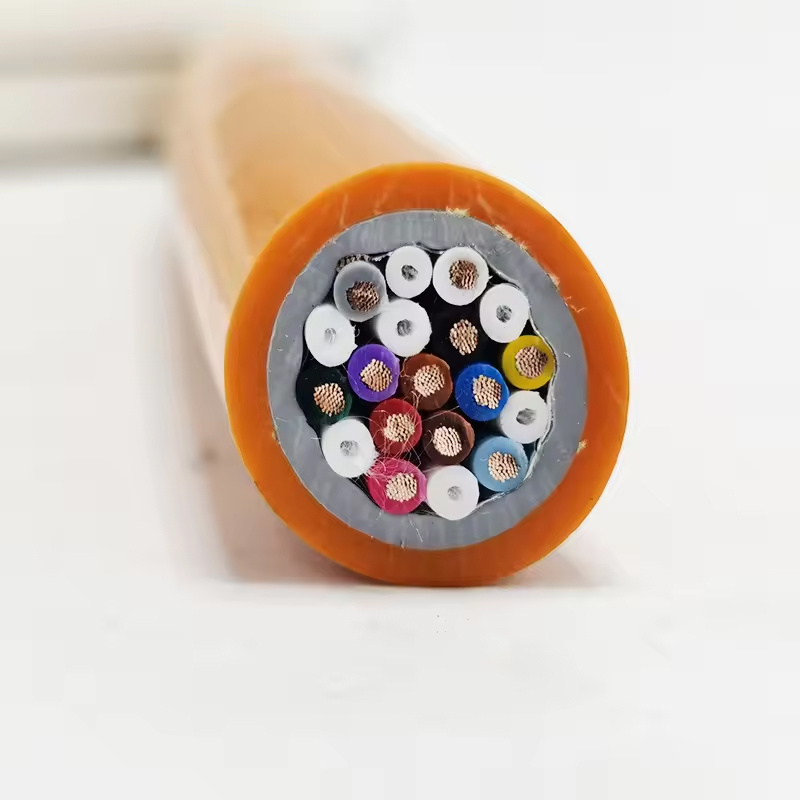
Materials and Structure of ES-RVV Cable
ES-RVV cable is designed for new energy storage systems and features:
Conductor Material: Typically uses bare copper twisted conductors, compliant with IEC60228-5 standard, with excellent conductivity and mechanical strength.
Insulation Material: PVC (Polyvinyl Chloride) is used as the insulation layer, providing good electrical insulation performance and some resistance to chemical corrosion.
Sheath Material: Also PVC material, providing additional protection, enhancing the cable's resistance to wear and environmental performance.
Rated Voltage: For DC systems, the rated voltage of ES-RVV cable is usually DC1000V.
Materials and Structure of EV-RSS Cable
EV-RSS (National Standard GB/T 33594-2017) cable is insulated with TPE (Thermoplastic Elastomer) and features:
Conductor Material: Similar to ES-RVV, it uses bare copper twisted conductors, ensuring good conductivity.
Insulation Material: The national standard EV-RSS material, TPE, offers higher temperature resistance and chemical corrosion resistance, suitable for more demanding environmental conditions.
Sheath Material: Uses the same material to ensure the cable's continuous safe operating temperature.
Rated Voltage: The rated voltage of EV-RSS cable can be adjusted according to the purchaser's requirements, with the national standard rated voltage being 450/750V.
Performance Comparison
Chemical Corrosion Resistance:
TPE material performs better in chemical corrosion resistance compared to PVC, giving EV-RSS cable a longer lifespan in certain special environments.
Mechanical Performance:
Both cables have excellent mechanical performance, but ES-RVV, designed for new energy storage systems, may excel in flexibility and bending performance.
Applications
ES-RVV cable is mainly used in:
New energy storage systems, such as battery storage stations and wind energy storage systems.
Interconnections between batteries in DC systems and between batteries and inverters.
Applications requiring high temperature resistance and good electrical performance.
EV-RSS cable is suitable for:
Environments requiring high temperature resistance and chemical corrosion resistance, such as some industrial automation equipment.
Charging and power transmission systems for electric vehicles, such as charging gun cables and charging pile accessories.
And other occasions with special requirements for insulation materials.
Conclusion
ES-RVV and EV-RSS cables each have their characteristics and advantages. When choosing, specific application requirements, environmental conditions, and system requirements should be considered. ES-RVV is favored for its professionalism in the field of new energy storage and high temperature resistance, while EV-RSS demonstrates its value in specific situations due to its excellent chemical corrosion resistance and potential high temperature resistance. With technological advancements, the performance and application scope of these two cables are expected to further expand and optimize in the future.

Contact Information

Email: oversea@hichain.com.cn

whatsapp: +852 51665706

Copyright ©2023 Hichain Electricity (Zhaoqing) Co.,Ltd. |