 oversea@hichain.com.cn
 +8617328576881





Information
Differences between Single-Core and Multi-Core Cables
Release time: 2024-07-08
Distinction between Single-Core and Multi-Core Cables
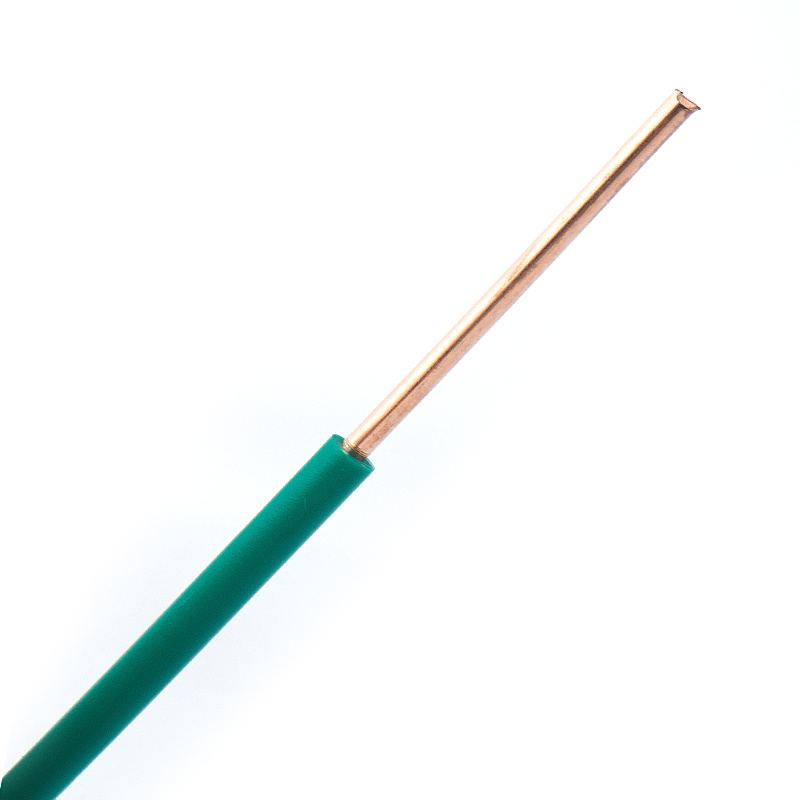
- A single-core cable refers to a cable containing only one electrical conductor, primarily used in power transmission and control systems. Conversely, multi-core cables consist of multiple electrical conductors, making them suitable for complex circuit connections. While multi-core cables offer greater functionality, their structure is inherently more intricate compared to single-core cables.
2. Material Differences
- Single-core cables have a simpler structure, typically featuring just one conductor and an insulation layer, which tends to keep material costs relatively low. Multi-core cables, due to comprising several electrical conductors, necessitate additional insulation materials and braiding, leading to a generally higher price point than single-core cables.
3. Functional Comparison
- Multi-core cables feature a structure that enables various functions, such as data transmission, signal transmission, and power transmission. In contrast, single-core cables have only one conductor and are capable of transmitting power signals only. The more combinations of multi-core cables, the more powerful their functions become, and the higher the price tends to be.
4. Other Influencing Factors
- The pricing of both single-core and multi-core cables is also influenced by factors including brand reputation, conductor size (wire gauge), electrical performance, outer jacket materials, and manufacturing standards. Significant price variations can exist among different brands.
The price difference between single-core and multi-core cables primarily depends on factors such as materials, structure, and the functionalities they can achieve. Generally speaking, multi-core cables are more expensive than single-core cables. Of course, when selecting cables, it is necessary to choose based on specific application environments and functional requirements in addition to the price.


Contact Information

Email: oversea@hichain.com.cn

whatsapp: +852 51665706

Copyright ©2023 Hichain Electricity (Zhaoqing) Co.,Ltd. |