 oversea@hichain.com.cn
 +8617328576881





Information
Industry Knowledge: What are the Causes of Cable Aging? How Should It Be Addressed?
Release time: 2024-06-25
"Electrical wires and cables" are hailed as the arteries of industry and the nerves of society. However, do you know how long the service life of wires and cables is? What factors affect the service life of wires and cables? And how can we increase the lifespan of wires and cables?
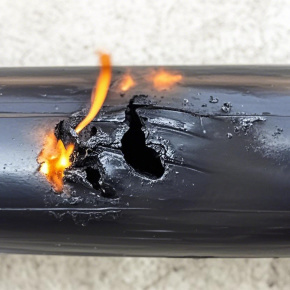
Typically, the service life of a cable is determined by the oxidation induction period of the sheath material. The most direct cause of cable aging failure is the reduction of insulation and being punctured. There are many factors that can reduce insulation, and the following are some common ones.

1. External Force Damage: External force damage, also known as mechanical damage, is a leading cause of cable failures in recent years.
Solutions:
- Use cranes and forklifts for loading and unloading cables. Prohibit flat transport and placement. Large cables should be installed with cable cars to prevent damage from external forces or abrasions to the sheath and insulation layer due to manual dragging.
- Install cables and wires in locations away from humidity, high temperatures, chemicals, and other harmful environments. Avoid contact with other equipment or sharp objects to reduce the risk of damage and failure.
- When cables and wires need to be suspended, fixed, or exposed, use appropriate brackets and conduits for fixation. Ensure the stability and safety of the cables and wires.
2. Moisture Penetration: In humid climates, water or steam can enter the joints, gradually damaging the insulation strength of the cable over time and causing failures.
Solutions:
- Choose cable packaging materials with good moisture resistance, such as polyethylene (PE) (Hichain has cross-linked polyethylene and other insulation materials, which have significantly improved performance compared to polyethylene and can also meet customers' diverse product needs).
- Use moisture-proof agents or moisture-proof packaging materials for cables to prevent the erosion of external humid air.
- Use appropriate sealing materials to close the holes where cables enter buildings to prevent humid air from entering.
- Avoid laying cables on the ground where they are prone to water immersion. In low-lying areas or waterlogged areas, use brackets or hooks to lift cables above the ground to reduce the impact of surface water accumulation.
- Clean cables and ancillary equipment in a timely manner to ensure no moisture accumulates.
3. Chemical Corrosion: If cables are directly buried in areas with acidic or alkaline effects, the protective layer may fail due to long-term chemical or electrolytic corrosion, reducing insulation and causing cable failures.
Solutions:
- Choose sheath materials with corrosion resistance, such as polyvinyl chloride (PVC) and polyethylene.
- Apply anti-corrosive treatments to the exterior of the cables, such as applying a layer of anti-corrosive coatings like polyurethane or epoxy resins.
- Use anti-corrosive conduits and seal the connection parts to reduce the entry of moisture, water, or other gases and liquids.
4. Long-term Overloading: Excessive temperatures can accelerate the aging and damage of cables.
Solutions:
- Increase the cross-sectional area of the cables. Avoid using cables that are close to their limit to save costs, especially for home wiring. It is recommended to use cables with a larger cross-sectional area to extend the service life.
- Adjust the circuit load by increasing the number of cables or reducing the power of electrical appliances to reduce the burden on the cables.
- If conditions permit, add heat dissipation equipment to improve the heat dissipation efficiency of the cables.
5. Cable Joint Failures: Loose connections or insufficient heating can lead to a reduction in the insulation of the cable head, causing accidents.
Solutions:
- Cable ends should be waterproofed and protected from the erosion of other corrosive materials to prevent insulation layer aging caused by water trees, leading to puncture.
- Choose high-quality joint materials and strictly follow the joint production process requirements. Also, clean and inspect at regular intervals to ensure good contact.
- Choose the appropriate method to secure the joints to ensure they are firmly fixed. Select joint materials with good aging resistance to extend the service life of the joints, or adjust the tension at the joint to reduce the impact of temperature changes.
"Prevent problems before they happen"; only by correctly understanding and mastering the causes of cable failure and aging can we prevent accidents at their source. Therefore, be cautious when selecting cables, and choose products with complete qualifications and quality assurance.
Hichain wires and cables are always quality-oriented, meeting the standards of many countries, and have various advantages such as waterproofing, moisture-proofing, corrosion resistance, and good performance. They are your best choice for decoration and wire buying. In addition, Hichain
customer service is available 24/7 to promptly, accurately, and professionally solve various pre-sale, sale, and after-sale issues you may have.

Contact Information

Email: oversea@hichain.com.cn

whatsapp: +852 51665706

Copyright ©2023 Hichain Electricity (Zhaoqing) Co.,Ltd. |