 oversea@hichain.com.cn
 +8617328576881





Information
RVS Fire Wire Selection Guide (Part 2)
Release time: 2025-09-04
When to use RVS wires?
High-risk locations
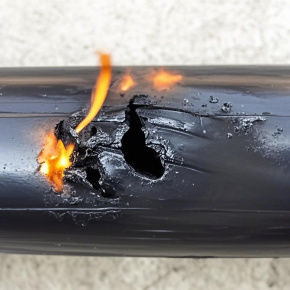
For places with a high risk of fire, such as commercial buildings, residential buildings, medical institutions, schools, factories, etc., choosing RVS fire-resistant wires is crucial. They have fire-resistant and high-temperature resistant properties, can withstand electrical operation in high-temperature environments, and effectively prevent the spread of fire.
Key parts of fire protection systems
RVS These wires are especially suitable for key parts of fire protection systems, such as connections between flame and smoke detectors, fire alarm systems, automatic sprinkler systems, emergency evacuation indicators, and lighting equipment. In these critical areas, RVS wires provide reliable power support to ensure the normal operation of the system during a fire.
High long-term performance requirements
RVS The wires undergo strict quality inspections and tests, offering a long service life and stable performance. Therefore, in places requiring long-term reliable performance, such as medical institutions, large commercial buildings, and industrial plants, choosing RVS wires is a wise choice.
Commercial and industry standard requirements
According to building codes and fire safety standards of specific countries or regions, fire-resistant wires may be required in certain locations. In such cases, RVS wires usually meet the relevant standards and are recognized and recommended as compliant options. The selection of RVS wires should comprehensively consider specific conditions, such as building type, fire risk assessment, and existing fire protection system requirements. It is best to consult professional fire engineers or consultants during the decision-making process to ensure correct selection and proper installation of RVS wires to provide optimal fire safety protection.
Selection considerations
- Voltage rating: RVS The rated voltage of the wire is usually 300/300V or 300/500V, classified as low-voltage wire, and must never be used in high-voltage power supply systems.
- Flame retardant requirements: In places with high safety requirements such as fire protection and crowded areas, it is essential to choose ZR-RVS (flame-retardant type) or NH-RVS (fire-resistant type) wires.
- Wire gauge specifications: Common specifications include 2x0.5mm², 2x1.0mm², 2x1.5mm², etc. The appropriate cross-sectional area should be selected based on transmission distance, load current, and signal attenuation requirements. Generally, the longer the distance, the thicker the wire gauge needed.
- Brand and quality: Choose qualified products that meet national standards to ensure safety and reliability.
When you need to wire systems for fire automatic alarm systems, fire emergency broadcasting, building intercoms, security alarms, etc. to transmit signals or control commands, priority should be given to selecting RVS twisted pair cables. Its twisted pair structure provides excellent anti-interference capability, its flexibility facilitates installation, and flame-retardant models better meet safety regulations.

Contact Information

Email: oversea@hichain.com.cn

whatsapp: +852 51665706

Copyright ©2023 Hichain Electricity (Zhaoqing) Co.,Ltd. |