 oversea@hichain.com.cn
 +8617328576881





Information
RVS Fire Wire Selection Guide (Part 1)
Release time: 2025-09-02
Fire safety has always been an important area of our focus and concern. To protect lives, property, and the environment from the dangers of fire, fire protection equipment and systems have become essential. RVS wires, as an excellent choice for life safety protection, have attracted widespread attention.
RVS The full name of the wire is: "Copper Core Polyvinyl Chloride Insulated Stranded Soft Wire for Connection," also known as twisted pair wire, commonly called "flower wire," widely used in fire protection systems, also called "firefighting wire." The conductor is made of multiple strands of fine copper wires twisted together, making the wire body soft and flexible, easy to bend and install. It uses advanced fire-resistant materials and technology, not only providing the power supply function of general wires but, more importantly, can continue to operate during a fire, providing reliable power support for fire protection systems.
RVS Characteristics of the wire
Fire resistance
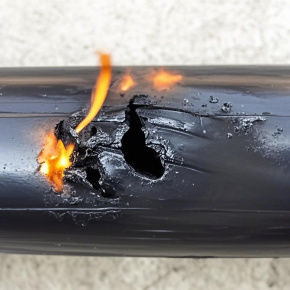
RVS The wire's materials undergo special processing, giving it excellent fire resistance. Even under extremely high temperatures and intense flames, it can maintain electrical functionality, prevent the spread of fire, and ensure the normal operation of equipment.
Tensile strength
RVS The wire is designed with reinforcement, possessing excellent tensile strength. Even during a fire, it can withstand great pulling forces, maintaining the integrity of the power connection and ensuring the normal operation of fire protection equipment during a fire.
Flame retardancy
RVS The wire has good flame retardant properties; even when exposed to flames, it will not continue to burn or produce harmful substances, reducing the risk of fire spread and smoke.
Long lifespan
RVS The wire undergoes strict quality inspections and testing, ensuring reliable performance and a long service life. It can be used in harsh environmental conditions, resisting chemical corrosion and physical damage.
RVS Application scenarios of the wire
RVS The wire is widely used in fire protection systems of various buildings and locations. They are used to connect key equipment such as fire alarms, sprinkler systems, and fire control panels, providing reliable power support for the entire fire protection system, protecting people and property. Below are some common application scenarios:
Commercial buildings
RVS The wire is widely used in commercial buildings such as office buildings, shopping centers, hotels, and office towers. They connect key equipment like fire alarms, sprinkler systems, evacuation indicator lights, and smoke exhaust systems, ensuring timely alarms and effective fire extinguishing measures during a fire.
Residential buildings
RVS The wire plays a key role in apartment buildings, residential communities, and detached houses. They connect fire alarm systems, indoor fire sprinklers, evacuation route lighting, and security access control systems, ensuring the safety of residents' lives.
Medical institutions
RVS The wire is widely used in hospitals, clinics, and nursing homes. They connect fire alarm systems, fire extinguishing devices, emergency evacuation equipment, and emergency power backup systems, ensuring that medical facilities can continue to provide critical support and services during a fire.
Schools and educational institutions
RVS The wire plays an important role in schools, universities, and other educational institutions. They connect fire alarm systems, automatic sprinkler systems, evacuation indicators, and emergency communication systems, providing a safe learning and working environment for teachers and students.
Industrial buildings
RVS The wire is also widely used in factories, warehouses, and manufacturing industrial buildings. They connect fire alarm and extinguishing systems, explosion-proof equipment, and smoke exhaust systems, ensuring that industrial sites can promptly detect, report, and suppress fire risks.

Contact Information

Email: oversea@hichain.com.cn

whatsapp: +852 51665706

Copyright ©2023 Hichain Electricity (Zhaoqing) Co.,Ltd. |